Columbia earned the nickname Famously Hot for a reason, and anyone who lives in the Midlands knows the heat doesn’t always clear out in October. You can still walk to the mailbox on some afternoons and come back sweating.
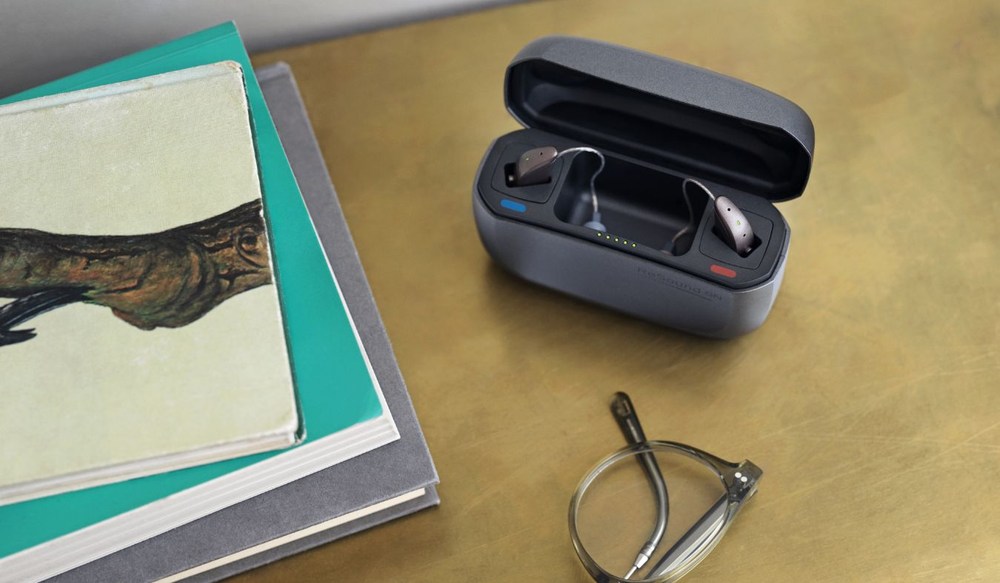
If you wear hearing aids, that moisture doesn’t stay on your skin. It works its way into the small parts that sit in your ear all day, and those parts don’t all wear out the same way.

When your hearing aid starts sounding muffled or quiet, it’s easy to assume the whole thing needs work. Sometimes the problem comes down to one of two pieces: the soft dome on the tip or the receiver that actually delivers the sound.

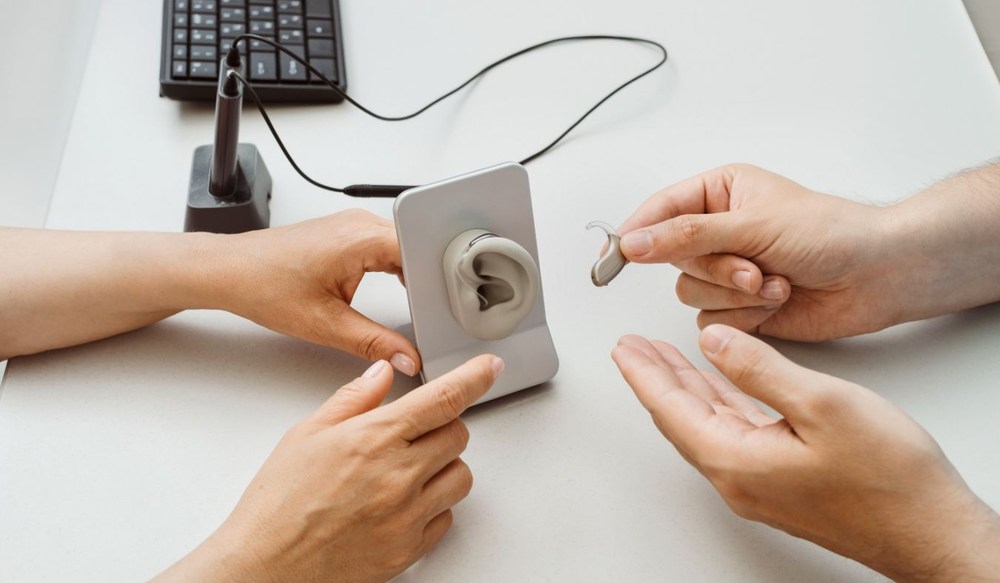
They sit right next to each other, so it is easy to confuse the dome with the receiver. Knowing which part does what can save you from cleaning or replacing the wrong piece when sound starts to seem off.

What’s Actually Going On Inside Your Hearing Aid

Your hearing aid is doing a lot more than it looks like. There’s a tiny microphone that picks up what’s going on around you and a processor that adjusts it for your hearing. The receiver sends that sound into your ear, and the battery keeps the whole thing running.

And it all happens in a blink. Someone across the table starts talking, and their voice is in your ear right away. When it’s working right, you don’t even notice.

When something’s off, though, you’ll know. If the microphone gets gunked up, everything sounds dull, and if the receiver acts up, people start sounding like they’re talking from the next room. That’s usually your first clue about where the problem is.

What Is a Hearing Aid Dome?

The dome is that little silicone tip that sits in your ear canal on a lot of hearing aids. It fits onto the end of the receiver or tubing, and it comes in a bunch of different sizes and shapes. It might not look like much, but it makes a big difference in how your hearing aid feels and sounds.

A dome that fits well should stay put without feeling tight or sliding out every few minutes. The style of dome also decides how much natural sound gets in along with the sound your hearing aid is boosting.

Domes also help keep wax and debris away from the receiver underneath them. They do not completely seal the receiver from moisture or buildup, so regular cleaning is still important. A dome that becomes torn, stretched or hardened usually needs to be replaced rather than cleaned repeatedly.

What Does the Hearing Aid Receiver Do?

Think of the receiver as the tiny speaker at the end of the hearing aid’s sound path. Once sound has been picked up and processed, the receiver turns that information into sound you can actually hear. In receiver-in-canal models, this small component sits directly inside the ear canal.

Its location gives sound a short path into the ear, but it also puts the receiver close to wax and moisture. A blocked receiver can make a hearing aid seem unusually quiet or completely silent.

Many receivers are protected by a replaceable wax guard. That small filter catches debris before it reaches the speaker opening. If sound suddenly becomes weaker on one side, checking the wax guard is often a useful place to start.

How Domes and Receivers Work Together

The dome and receiver sit next to each other, but they have different jobs. The receiver produces the sound, while the dome helps position it correctly inside your ear. Together, they affect comfort, sound quality and how securely the hearing aid stays in place.

Dome fit also changes how much amplified sound stays inside the ear canal. A dome that is too loose can allow sound to escape, sometimes creating feedback or reducing certain frequencies. One that is too tight can leave your ear feeling sore after several hours.

This is why changing dome styles is not simply a matter of choosing whichever one feels best at first. Your hearing specialist considers your ear canal, hearing loss and hearing aid programming when selecting one. Even a small change in dome style can noticeably change how the hearing aid sounds.

Finding the Right Hearing Aid Dome Style

There is no single dome that works for every ear or every type of hearing loss. Some designs leave the ear canal more open, while others create a stronger seal. Your hearing specialist chooses among them based partly on which frequencies need the most support.

Three common dome styles work a little differently:

  • Open domes have openings that allow more natural sound and airflow into the ear.
  • Closed domes create more of a seal, which helps retain amplified sound at lower frequencies.
  • Power domes use overlapping flanges to create a stronger seal for people who need more amplification.

How Receiver Strength Changes What You Hear

Receivers aren’t all built the same. If your hearing loss is on the milder side, a standard receiver usually handles it just fine. People with more hearing loss often need a stronger receiver to hear clearly.

The right choice depends on your hearing test, hearing aid settings and the amount of power the device needs to deliver.

A stronger receiver is not always the right match for your hearing needs. A receiver that is stronger than necessary can make listening feel harsh or unbalanced. One that is not strong enough may leave speech sounding too soft, even when the hearing aid is turned up.

Your hearing specialist matches the receiver to your hearing loss rather than simply choosing the largest option available. That helps the hearing aid provide enough output without overworking the system.

How Ear Shape and Daily Habits Affect Hearing Aid Fit

The shape of your ear canal has a lot to do with how the receiver and dome sit throughout the day. Some canals are narrow, angled or curved, which can make certain dome sizes feel uncomfortable.

How you spend your day matters, too. Wearing glasses, a hat or headphones can change how your hearing aid feels by mid-afternoon, and so can a few hours outside. If you’re on the go all day, you might need a different setup than someone who mostly stays inside.

Then there’s the Midlands weather. When it’s hot and sticky out, your ears sweat more than you’d think, especially if you’re doing yard work or out on Lake Murray. All that sweat can make your domes slip around and get into the receiver more than usual.

Simple Cleaning Habits for Domes and Receivers

Domes and receivers sit close to earwax, skin oils and moisture every day. A little regular care helps keep those materials from building up around the parts that deliver sound. You do not need an elaborate routine to keep up with them.

A few simple habits can help protect both pieces:

  • Wipe the dome with a dry, lint-free cloth after you remove the hearing aid.
  • Check the receiver opening and wax guard for visible buildup.
  • Use the cleaning tool recommended for your hearing aid rather than poking into the receiver.
  • Store the devices according to the manufacturer’s drying instructions if moisture is a frequent issue.

When Domes or Receivers Need More Than Cleaning

Domes do not last forever. Over time, silicone can stretch, stiffen, tear or stop holding its original shape. If a dome starts slipping, feels different in your ear or looks worn, replacing it often makes more sense than trying to clean it again.

How often a dome needs replacement varies with the hearing aid, the material and how quickly wax builds up. Some people change them more often than others. Your hearing specialist can show you what normal wear looks like and how to replace the style you use.

A receiver is different because it contains the speaker itself. If the hearing aid still sounds weak after the dome and wax guard are changed, the receiver may need professional cleaning or replacement. That is one part you do not want to pry into at home.

A hearing specialist can test the receiver, clear deeper blockage and determine whether the problem is with that component or somewhere else in the device. That keeps a simple parts issue from turning into unnecessary damage.

Choosing the Right Dome and Receiver for Your Hearing Needs

Domes and receivers work as a team, but they don’t need the same kind of attention. A dome is a simple swap you can often handle at home, while a receiver that has taken on moisture usually needs a professional check.

At Affordable Hearing, we can look at both pieces and help you figure out what your hearing aid actually needs. That way the next sticky afternoon in the Midlands is just a reason to crank the AC, not a reason to worry about your devices.

Call to schedule a visit at the South Carolina location closest to you. You can reach Irmo at (803) 749-6017, Orangeburg and Santee at (803) 531-6403 or Newberry at (803) 597-5136.