Are Premium Hearing Aids Worth the Extra Cost?
When most people think about what something is worth, they’re not
We value our patients and want everyone to be safe. We will be happy to see any patient that is in need of our service. Service is our #1 priority!


By: admin | March 25, 2026
When most people think about what something is worth, they’re not just thinking about the price. They’re thinking about what they get out of it on a daily basis, and whether what they have right now is actually doing the job. That kind of thinking comes up with a lot of things in life, and hearing aids are no different.
If you’ve found yourself working harder to follow conversations than you used to, or feeling worn out after a social event in a way that didn’t happen before, those are the kinds of signs that tend to make people start asking questions.
The question of whether to upgrade a hearing device is a reasonable one, and it’s more common than you might think. It doesn’t have to feel like a big, stressful decision.
For a lot of people, it starts simply with wanting to understand what’s out there and whether a different option might fit their life a little better. That’s a good place to start, and we’re here to help you work through it at whatever pace makes sense for you.
The evolution of hearing technology is incredible when you look at how we moved from basic funnels to the high-tech computers we use today. This progress has completely changed how people experience the world around them.
These milestones mark the most important steps in that evolution:
Think of hearing technology as a tool for your specific lifestyle. Advanced models handle the heavy lifting for you. They filter out background noise in a crowded restaurant, stream your phone calls directly to your ears and balance the TV volume automatically. If your day involves a lot of different environments, these features prevent the mental exhaustion that comes from straining to hear.
On the other hand, a simpler device might be exactly what you need if your days are mostly spent in quiet settings. These models prioritize clarity and ease of use over complex automation. They are reliable, straightforward and perfect for one-on-one conversations at home.
The right choice isn’t about which technology is “better” as a standalone product. It really depends on where you spend your time and how much you want the device to handle on its own.
Hearing technology evolved from basic mechanical tools into the sophisticated digital systems people wear today. These specific upgrades changed how devices handle sound and interact with the world:
Modern developments focus on a more natural listening experience rather than just volume. This progress ensures that your devices work with you throughout the day.
Advanced noise reduction in hearing aids is designed to make listening in busy or loud environments easier. The device continuously analyzes the sounds around you and identifies what is important, like someone speaking to you, versus background noise that can be distracting.
Once the hearing aid separates these sounds, it reduces the volume of the background noise while keeping speech clear, making it easier to follow conversations without raising the overall volume.
The process happens automatically and very quickly, so you often do not notice the adjustments happening. Some hearing aids can even adapt to changing environments, like moving from a quiet room to a loud family gathering, by continuously balancing the sounds.
Automatic adjustments and smart settings help hearing aids respond to changes in your surroundings without any manual input. The devices can detect shifts in noise levels or the type of sounds around you and make real-time changes to how they deliver sound.
This means that as you move between quiet spaces, busy rooms or outdoor areas, the hearing aids can reduce background noise and bring speech into clearer focus.
These features make it easier to follow conversations and keep up with sounds without having to stop and adjust your devices.
Bluetooth is now a standard feature in many advanced hearing aids, allowing you to stream calls, music and other audio directly from your phone or TV. This removes the need to juggle extra wires or headphones just to hear your favorite shows or have a conversation.
You get a clear, direct signal that eliminates the common struggle of holding a phone to your ear or turning up the television volume too high for everyone else in the room.
Sound goes straight into your devices, so phone calls feel more natural and media is much easier to enjoy.
People who use their devices throughout the day find that this seamless connection makes a significant difference in their quality of life. You can move from a phone call to a podcast or a video without any extra steps or manual adjustments to the hardware.
Rechargeable batteries in hearing aids have become popular because they make daily life easier.
Instead of changing small batteries every few days, you can place your hearing aids on a charger at night, much like charging a phone. This means less worry about running out of power during the day or carrying spare batteries.
Regular battery options are still common and can be a good choice for people who prefer not to charge their devices each night. These batteries usually last several days before needing to be replaced, and replacements are easy to find at most stores.
Choosing between rechargeable and regular batteries depends on your routine and how much convenience matters to you. Both options are designed to keep your hearing aids working when you need them.
Hearing aids that use AI technology go beyond simply amplifying sound. They analyze the sounds around you and make real-time adjustments to help you hear more clearly. The device can identify different types of sounds, like speech versus background noise, and respond in ways that keep conversation easier to follow.
AI also allows the hearing aid to learn from your listening habits over time. It can recognize patterns in how you react in certain environments and make subtle adjustments automatically to match those patterns.
This helps your devices handle changes in surroundings without constant manual input, keeping sounds balanced and reducing the effort it takes to listen.
Premium features can make a real difference for some people, especially if daily life includes many different listening situations. These features are most helpful when you often need to hear clearly in places with background noise, use phones or other devices regularly, or want your hearing aids to adjust automatically without extra effort.
Think about your routine and where you spend most of your time. Premium features tend to matter most if you visit busy restaurants or social gatherings, use smartphones or TVs for calls and entertainment, prefer not to adjust settings by hand throughout the day or want more comfort and longer wear time.
If your days are mostly quiet or technology is not a big part of your life, standard hearing aids may be enough.
Standard hearing aids are often a good fit if you spend most of your time in quiet places, like at home or in small gatherings. These devices provide clear sound and simple controls, making listening easier without extra technology.
People who do not need to connect their hearing aids to phones or TVs, or who prefer fewer settings to manage, usually find standard options meet their needs. Standard hearing aids also tend to have longer battery life and require less maintenance, which is helpful for those looking for a straightforward solution.
The right technology makes a daily difference, but the long list of options can feel a bit much to sort through. You can get a better sense of what works by asking your specialist how specific features affect your life:
These answers will help you move past the technical specs and find a device that fits. Your specialist can then focus on the specific models that match your personal routine.
Deciding whether to upgrade your hearing aids is about looking at how well your current devices meet your needs. It is about noticing moments when hearing could feel a little smoother or conversations easier to follow. Exploring your options can help you understand what is available and how a different device might fit your life.
The team at Affordable Hearing in South Carolina can help you learn about the choices available. You can reach us in Irmo at 803-749-6017, in Orangeburg and Santee at 803-531-6403 or in Newberry at 803-597-5136. Talking through your options with someone who knows the technology can help you make the decision that works best for you.
Tags: faqs, hearing aid repair, hearing aid styles
When most people think about what something is worth, they’re not
By: admin | March 25, 2026
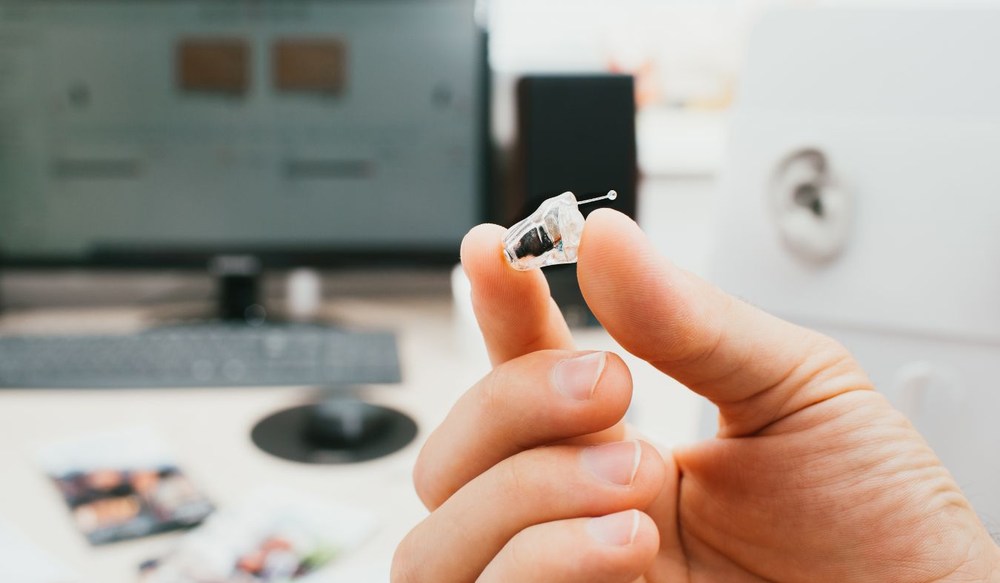
That annoying whistling or squealing sound from your hearing aids can turn
By: admin | October 20, 2025
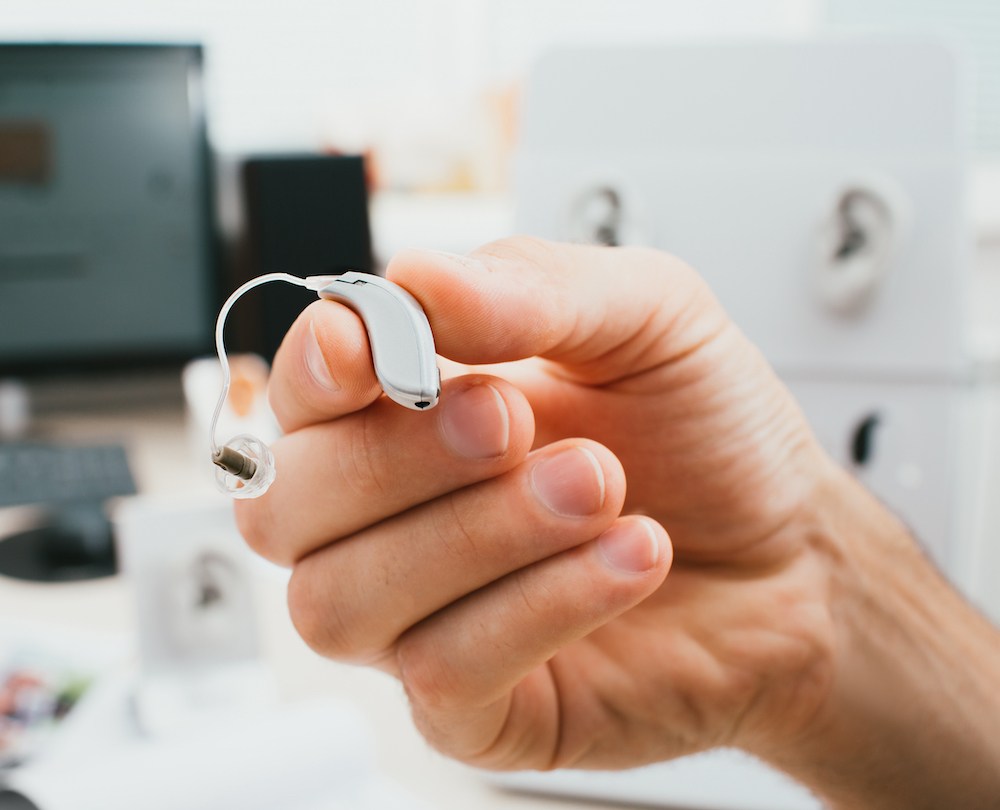
Your hearing aids need to work everywhere you do, not just in quiet rooms.
By: admin | July 29, 2025